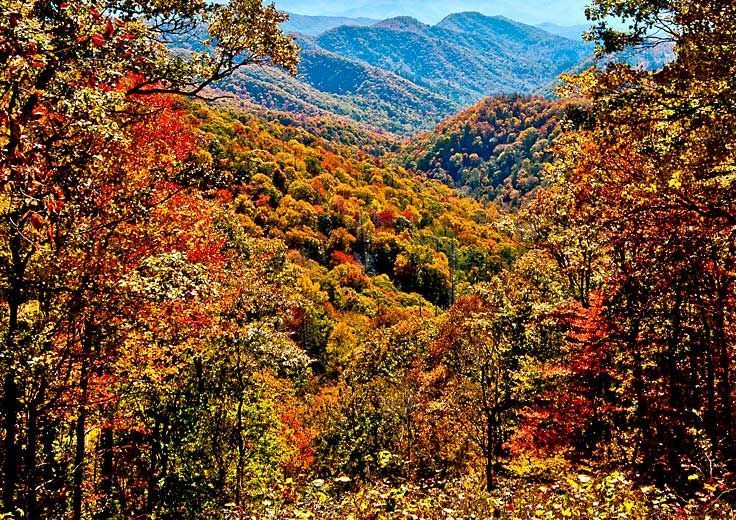
November is a special time in the Smoky Mountains National Park—autumn’s last colors linger, crowds thin out, and the first hints of winter transform the landscape. If you’re planning a visit this month, here’s what you need to know to make the most of your adventure, including tips on weather, trail conditions, less-crowded hikes, and the best spots for wildlife watching.
Weather in November: Be Prepared for Change
November brings cooler temperatures and unpredictable weather. Daytime highs often range from the upper 40s to mid-60s (°F) at lower elevations, but can drop into the 20s and 30s at night—especially in the higher elevations. Early winter storms or frosty mornings aren’t uncommon.
- Dress in layers to adapt to changing conditions.
- Bring rain gear and a warm jacket.
- Check park alerts for snow or road closures before you go.
Trail Conditions and Less-Crowded Hikes
Most trails remain open in November, but you may encounter slippery leaves, mud, or occasional icy patches—especially after a cold night or rain. Hiking poles and sturdy boots are recommended.
If you’re seeking solitude, this is your season! Here are a few less-crowded trails to try:
- Porters Creek Trail: Quiet, scenic, and rich with history and creek views.
- Spruce Flats Falls: Short, beautiful, and often overlooked.
- Middle Prong Trail: A waterfall lover’s paradise with fewer hikers in late fall.
- Rich Mountain Loop: Offers sweeping views and peaceful woods away from busy Cades Cove.
Wildlife Watching in November: Who’s Still Active?
As winter approaches, many animals prepare for the colder months, but November is still a great time for wildlife sightings:
- White-tailed Deer: Commonly seen in open fields at dawn and dusk, especially in Cades Cove and Cataloochee Valley.
- Wild Turkeys: Watch for flocks foraging near forest edges and fields—they’re especially active this time of year.
- Black Bears: While some bears begin to den in late November, you might still spot them foraging for food in low elevations.
- Elk: Head to Cataloochee Valley for your best chance to see elk, often grazing in large herds during early mornings and evenings.
- Birds: Late fall is excellent for spotting woodpeckers, nuthatches, and migrating songbirds.
A Few Final Tips
- Pack a thermos of something warm—hot chocolate or tea makes a chilly morning hike extra cozy.
- Start hikes early to catch sunrise light and maximize daylight hours.
- Respect wildlife by keeping a safe distance and never feeding animals.
- Have a backup plan—some higher elevation roads and trails may close due to weather.
With the right preparation, November in the Smokies offers peaceful beauty, wildlife encounters, and memorable adventures. Bundle up, hit the trails, and enjoy this magical time in the mountains!Whitewater rafting may be closed for the season, but the adventure doesn’t stop there! 🌄 Check our website each week for our latest blog posts featuring fun activities and hidden gems around the Smoky Mountains and Gatlinburg. There’s always something new to discover!