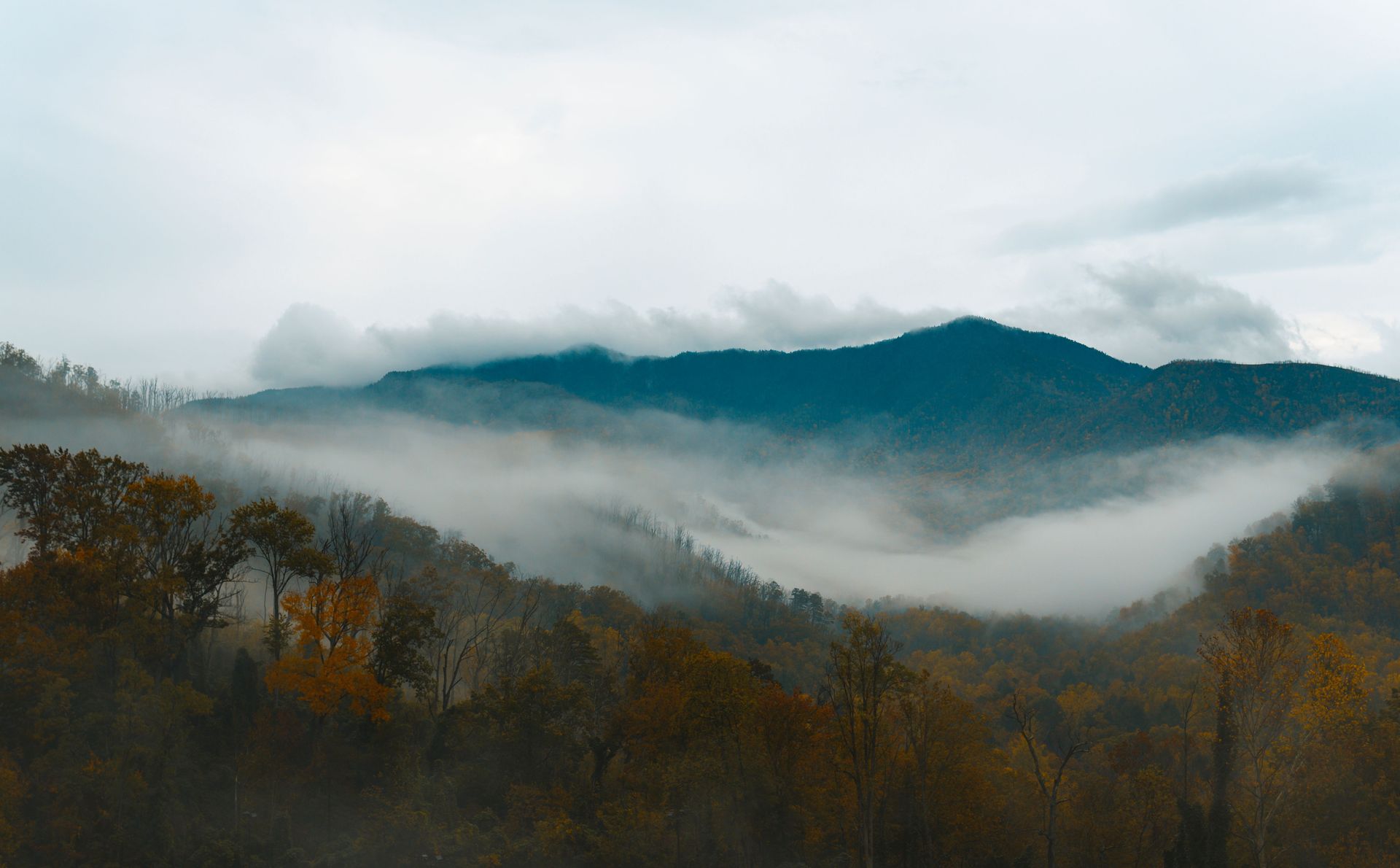
The Great Smoky Mountains are renowned for their misty beauty, but the park’s real magic lies in its incredible diversity of wildlife. From black bears to salamanders, the Smokies offer some of the best wildlife watching opportunities in the East. Whether you’re a seasoned naturalist or a first-time visitor, here’s your guide to what to look for—and where to find it—on your next adventure.
1. Black Bears
The iconic symbol of the Smokies, black bears are most often seen in Cades Cove, Cataloochee Valley, and along the Roaring Fork Motor Nature Trail. Early morning and late evening are the best times for sightings. Remember to always observe from a distance and never approach or feed bears.
2. White-Tailed Deer
Common throughout the park, deer are frequently spotted in open fields at dawn and dusk. Cades Cove is a favorite spot, where herds graze in the meadows and along the loop road.
3. Elk
Once extirpated from the region, elk were reintroduced to the Smokies and now thrive in Cataloochee Valley. The best time to watch elk is during the fall rut (mating season), but they can be seen year-round in the early morning or late afternoon.
4. Wild Turkey
These large birds are surprisingly common, often seen strutting across fields in Cades Cove, along Little River Road, or even in picnic areas. Watch for their distinctive fan-shaped tails and iridescent plumage.
5. Salamanders
Known as the “Salamander Capital of the World,” the Smokies are home to over 30 species. Look for them near streams, under logs, or along moist hiking trails like Alum Cave or Deep Creek—especially after rain.
6. Birds of Prey
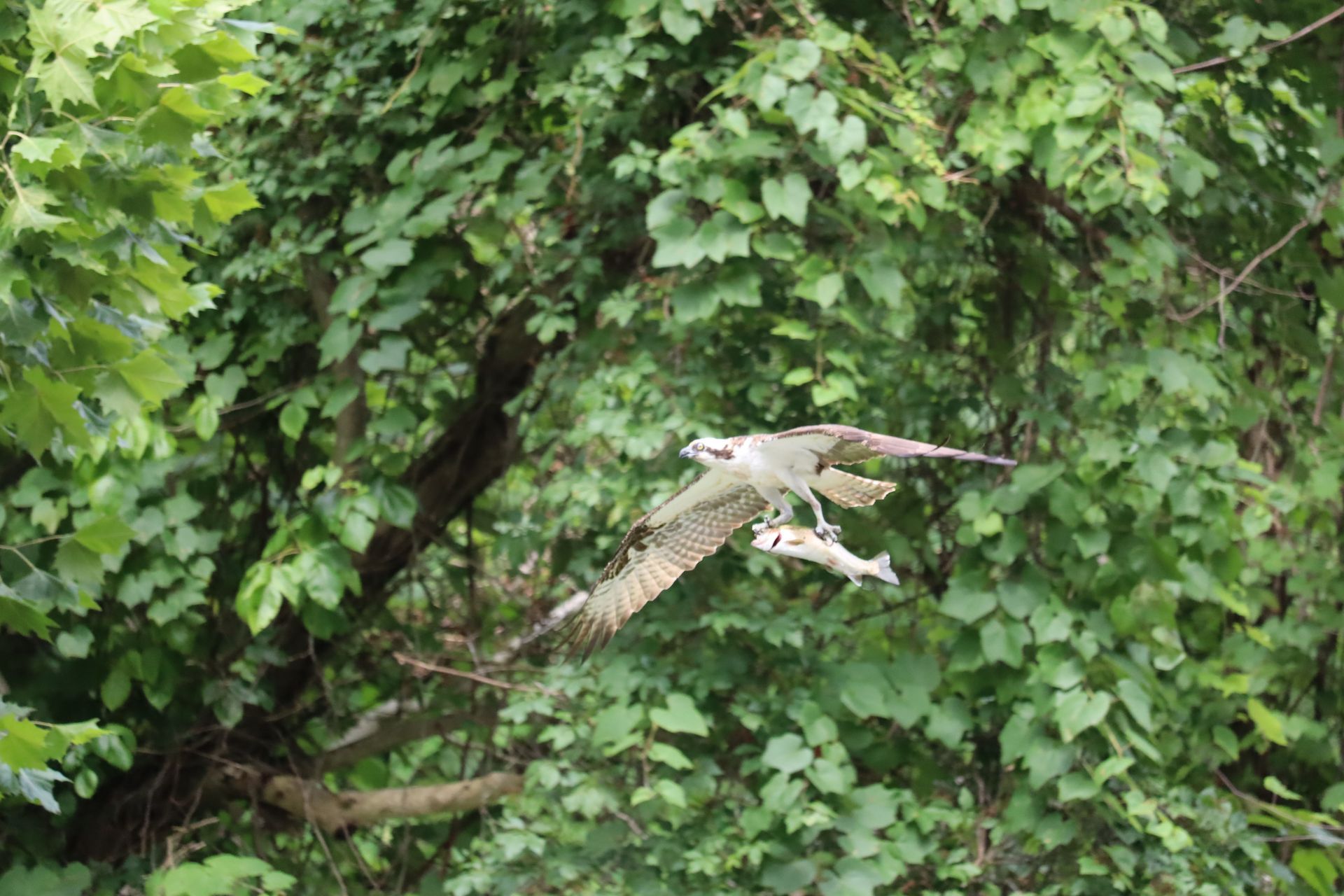
Keep your binoculars handy for hawks, owls, and even bald eagles. Look for raptors soaring over open areas in Cades Cove or perched in tall trees along river valleys.
7. River Otters
These playful mammals have made a comeback in the park’s streams. Spot them in the Little River or Abrams Creek, especially in the early morning when they’re most active.
8. Synchronous Fireflies
For a magical wildlife experience, visit Elkmont in late May or early June to witness the annual synchronous firefly display—a natural light show that draws visitors from around the world.
Tips for Responsible Wildlife Watching
- Always maintain a safe distance from animals—use binoculars or zoom lenses for close views.
- Never feed wildlife; it’s illegal and harmful to the animals.
- Move quietly and respect the natural environment.
- Early morning and late evening are the best times for wildlife activity.
Wildlife watching in the Smokies is an unforgettable experience, offering glimpses into the natural world that few places can match. Bring your camera, your patience, and a sense of wonder—the Smoky Mountains are alive with surprises around every corner!